- Spotting
- Posts
- 🍭 Sugar, We Need to Talk
🍭 Sugar, We Need to Talk
From $54 of candy to the bigger story on women’s health
This Week’s Signal
Around 3pm on Clara launch day, after a whirlwind of reporter emails and real-time QA/QC, I did something very on-brand for someone whose stress response is equal parts cortisol and Hershey’s milk chocolate bars: I drove to Sprouts and spent $54 on candy. Yes, I know there are better ways to spend $54. And no, I don’t regret it.
If you read this newsletter regularly (thank you 🙏), you know my dad recently had a heart attack, followed by quadruple bypass surgery. He’s thriving now — actually enjoying cardiac rehab, moving his body intentionally every day, and reminding us all that health scares can be reset buttons. But we were floored by what happened. He’s the definition of active. He never sits still. He’s the guy who’ll spend a morning driving two hours to fly fish by himself and an afternoon lacquering sailboat parts — at 74.
The culprit? Not red meat or fried food. It was something less obvious, more insidious: sugar.
My dad could polish off a pint of strawberry ice cream in one sitting and had a pantry stocked with Reese’s Cups and Starbursts. And while I’d love to point the finger squarely at him (jk Dad), sugar is my Achilles heel too. After my pregnancy with Mia, my LDL spiked and I overhauled my diet — cutting way back on processed foods, building muscle, and dialing in my energy. But the one thing I haven’t cut back on? Sugar.
And if my dad’s heart needed emergency reroutes after decades of sweet indulgence, maybe it’s time I rethink my own relationship with the stuff.

What We’re Missing
When we talk about heart health, the conversation usually defaults to red meat, butter, and bacon. Swap steak for salmon, problem solved. But sugar quietly drives just as much — if not more — metabolic chaos, especially for women. My dad’s hospital stint was the forcing function for me to dig into the data, and here’s what I found:
3 in 10 U.S. adults get more than 15% of their daily calories from added sugars.
Education gap: Adults without a high school degree consume ~15% more sugar per 1,000 calories than college grads.
Kids: American children consume 50–70% more sugar than the Dietary Guidelines recommend.
Women: On average, women consume ~15 teaspoons of added sugar daily — 2.5× the AHA’s recommended limit of 6.
Sugar spikes blood glucose, fuels inflammation, worsens mood swings, and drives long-term risks like insulin resistance, diabetes, and heart disease. For women, the stakes are higher: it can worsen PMS and perimenopause symptoms, exacerbate PCOS, deplete bone health, and accelerate cardiovascular risk after menopause.
What It Means
Of course, where there’s demand, there’s a market. Enter the “clean candy” boom — SmartSweets and others promising guilt-free gummies.
I tested a few of my personal favorites with EWG’s Food Scores:
YumEarth Fruit Chewys → Score: 6 (medium concern).
SmartSweets Gummy Worms → Score: 3.5 (the best of the bunch).
Justin’s Dark Chocolate PB Cups → Score: 9 (sad news for peanut butter cup lovers everywhere).
But let’s be real: a gummy worm by any other name is still… sugar. Consumers are hungry for better options — not just candy swaps, but transparency, education, and real alternatives. And just because something’s sold at Sprouts with “clean” on the label doesn’t mean you can skip reading the fine print.

What It Means
Sugar isn’t evil, but it isn’t neutral either. For women, who already navigate shifting hormones and higher risks of osteoporosis and cardiovascular disease, excess sugar can be gasoline on the fire.
Women who get 25%+ of their calories from sugar are 2× more likely to die from heart disease.
Up to 70% of women with PCOS have insulin resistance, worsened by sugar intake.
Women with the highest sugar diets face a 26% higher risk of type 2 diabetes.
For brands, this is a wake-up call: the future of women’s health education is as much about metabolism and blood sugar as it is about fertility or menopause.
For me? It means progress, not perfection. I’ll still grab SmartSweets, but I’m also experimenting with fruit-as-candy hacks and maybe a Whole30 reset. And while I may never be fully “off” sugar, I’ll be more intentional.
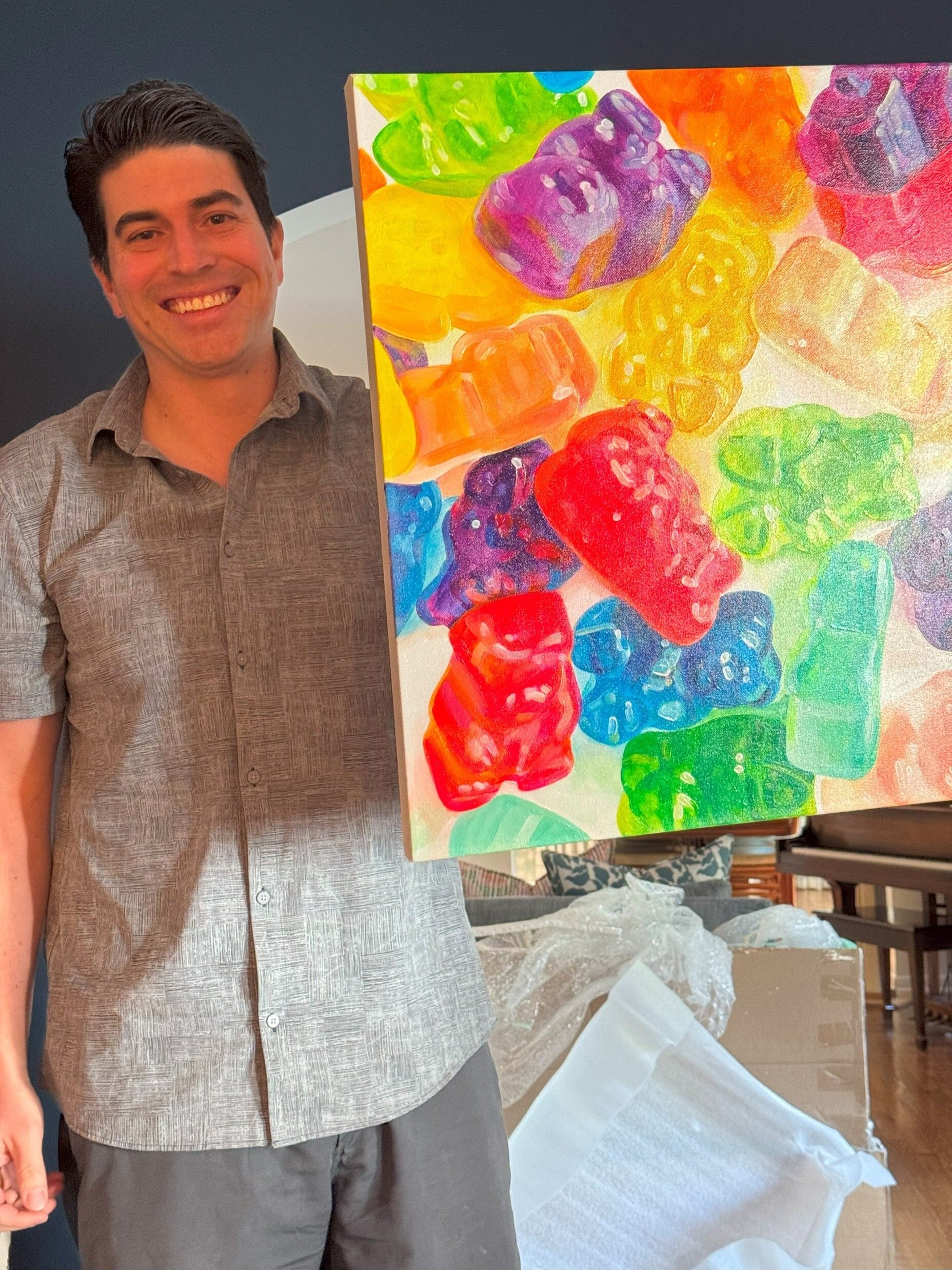
Besides, Sean and I just hung a painting we’ve been saving for — a massive canvas of gummy bears. Some sugar belongs in your life. It just doesn’t all need to be in your bloodstream.
With more signal and less noise, Spotting is your weekly lens on what’s next in women’s health and why. See you right here next time, in your inbox.
With hugs, science & freedom,
Abby
P.S. Whether this hits or misses for you, I’d love to hear your thoughts — just hit reply. Thanks for being here 🤗

Reaching 20M women monthly and partnering with trusted brands like Pfizer, Kotex, BetterHelp, and Noom, Rescripted is the leading media platform for all women and her health, from first period to last period.