- Spotting
- Posts
- Science, Sex, and the Testosterone Gap
Science, Sex, and the Testosterone Gap
Why women are stuck between FDA inaction, functional medicine overreach, and a whole lot of unanswered questions.
This Week’s Signal
Testosterone was the star of my group chat last week. Picture a bunch of late-30s moms: some wrangling new baby #2 or #3, some side-eyeing perimenopause, all comparing notes on what’s working (or not). One friend, stuck with zero energy, low mood, and an MIA libido, got handed testosterone by her functional medicine doc.
Weeks later? Nada.
And still, we keep the faith.
What We’re Missing
Our chat buzzed just as the UK made a headline-worthy move: the MHRA officially approved AndroFeme® 1% Testosterone Cream for postmenopausal women with HSDD (here’s a little explainer from Rescripted). Historic because it’s the first regulated, on-label option for women anywhere.
Meanwhile in the U.S.? Crickets.
Despite groups like ISSWSH endorsing testosterone for the same indication, the FDA has never approved it. That leaves women here stuck with off-label workarounds or ordering compounded creams of questionable consistency.
And here’s the kicker: because there’s no clear path, women who want answers are left piecing together advice from doctors, wellness gurus, or each other. It’s progress abroad, paralysis at home.


What We’re Seeing
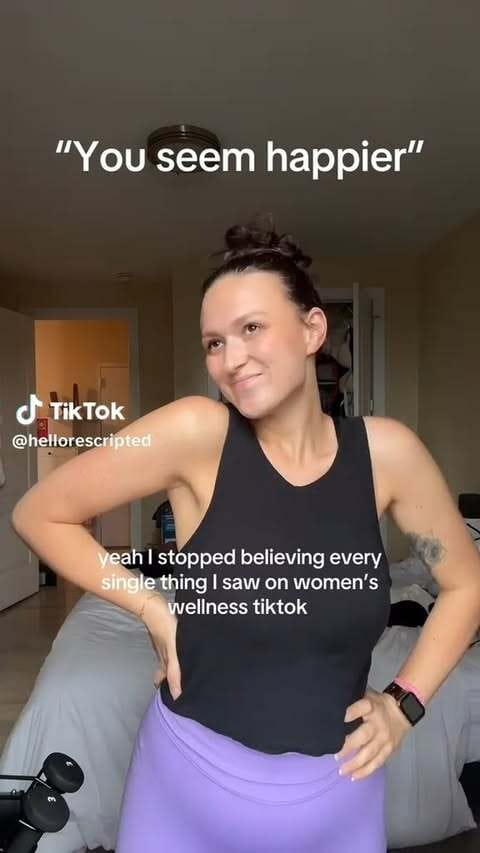
And in that gap, the hype machine thrives.
My 38-year-old friend (who is not… postmenopausal) was prescribed testosterone not just for libido, but also mood and energy – things the evidence simply doesn’t support. When medicine gets fuzzy, the promises tend to get bigger.
Dr. Jill Liss, my go-to for any/all menopause questions, helped me cut through the noise: testosterone can help with postmenopausal HSDD, but simply doesn’t have the evidence to support its effectiveness with the long list of other symptoms it’s often marketed for. As Jill explains, placebo effects are powerful across medicine: about 30% of people report feeling better even without an active drug.
So the paradox is this: in the U.S., women either get nothing approved or everything promised.
Neither serves them well.
What It Means
For decades, testosterone has been boxed in as a “male hormone,” leaving women under-studied and under-served. The result is exactly what we see today: women fall into the gap between FDA inaction and functional medicine overreach.

Plot twist for the nearly-perimenopausal 90s kids:
testosterone isn’t just about making a man out of you.
Both testosterone and estrogen exist in all bodies.
Both are essential for more than just reproduction.
The real problem is systemic bias and underfunding in women’s health research.
Until we fix that, women will keep turning to group chats, gray-market prescriptions, and guesswork. And we’ll keep asking: what could women’s health look like if science actually showed up?
Right now, science is standing outside the club, ID in hand, but the system won’t let her in. And women?
We’re left waiting in line, swapping stories, hoping someone opens the door.
With more signal and less noise, Spotting is your weekly lens on what’s next in women’s health and why. See you right here next time, in your inbox.
With hugs, science & freedom,
Abby
P.S. Whether this hits or misses for you, I’d love to hear your thoughts — just hit reply. Thanks for being here 🤗

Reaching 20M women monthly and partnering with trusted brands like Pfizer, Kotex, BetterHelp, and Noom, Rescripted is the leading media platform for all women and her health, from first period to last period.